

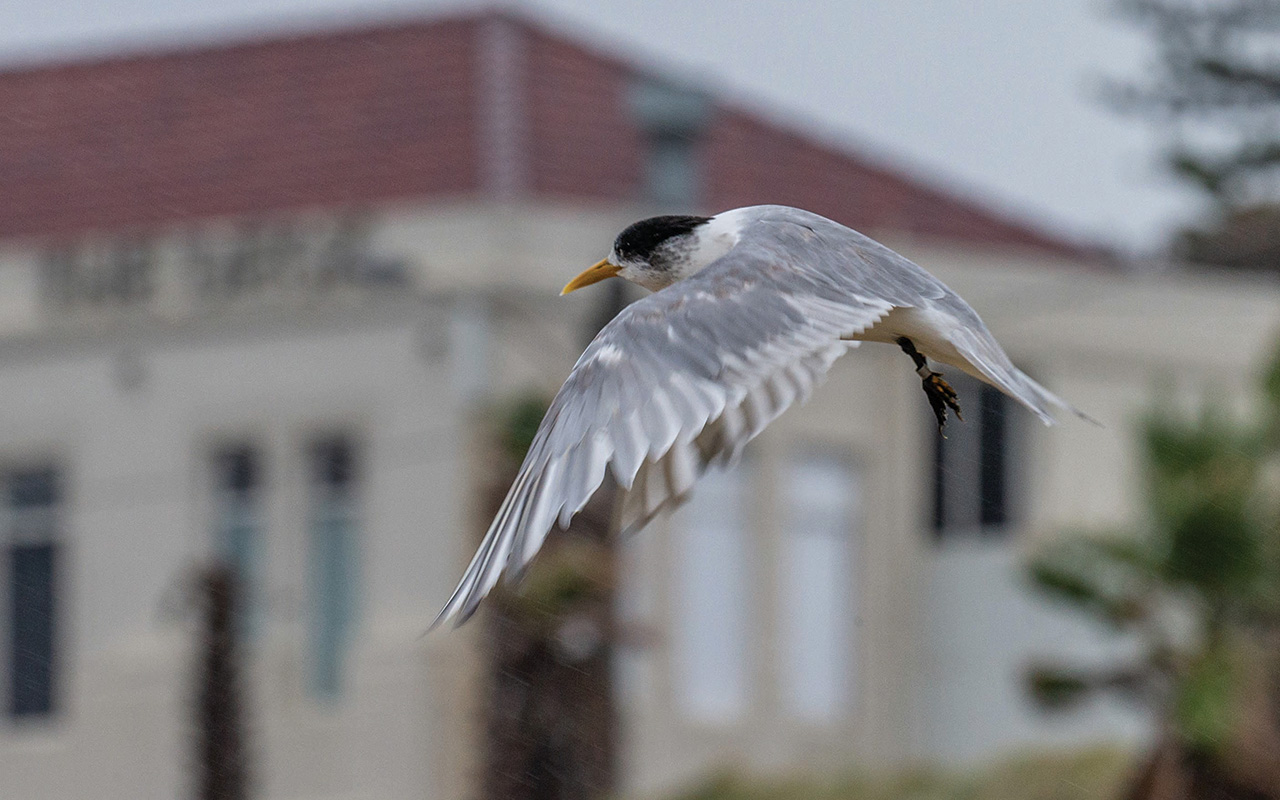
THE first case of H5N1 bird flu in Frankston has been recorded.
The bird flu outbreak has been a matter of concern nationwide. More than 300 confirmed cases have been identified across Australia during this outbreak, with the first in Frankston recorded on 22 August.
Agriculture Victoria states that the Frankston case is among “Gulls, Terns and Noddies”.
After the announcement, Frankston Council issued a statement urging caution. “While only a small number of cases have been confirmed, there are likely to be many more within the municipality that are not yet detected,” Frankston Council said.
“The risk to human health remains low. There is no evidence that this strain spreads between people and any infections will only occur following close contact with sick birds or mammals.
“Remember these three steps if you encounter dead or sick birds or wildlife in Frankston City: Avoid, Record, Report. Avoid contact with the birds or wildlife and their environment; record what you see and the bird’s location; and report wildlife sickness or deaths online or call the Emergency Animal Disease Hotline on 1800 675 888.”
Council also encouraged residents to protect their pets by keeping their dogs on leads at parks, and keeping cats inside. It has also told residents to “dispose of food waste properly and securely and keep rubbish bins closed to avoid attracting birds and other wildlife.”
In response to the bird flu outbreak, poultry owners with 50 or more birds in coastal and southern shires are required to confine their birds. This rule, in place until at least 18 September, includes Frankston Council. Victorian Chief Veterinary Officer, Dr Graeme Cooke, said “over the past fortnight we have seen many disease events along Victoria’s coastline. The majority of these have been in birds that tend to stay close to the coast, reinforcing that https://baysidenews.com.au/2026/09/01/liberals-lock-in-candidate/ poultry in southern parts of the state are most at risk.”
“Reducing contact between poultry and wild birds is one of the most effective ways to lower the risk of disease entering a flock, so we’re reminding poultry producers of the importance of maintaining strict biosecurity practices,” Dr Cooke said. “It’s important that poultry owners review their biosecurity plans, remain alert for signs of disease and stay updated on the latest advice.”
First published in the Frankston Times – 1 September 2026