

FRANKSTON Council has endorsed a new “Circularity Roadmap” – a five-year plan to reduce waste, support local businesses and build a more resilient local economy.
The roadmap signals a move away from the traditional “take, make, dispose” model, toward one where materials are reused, repaired and repurposed to deliver environmental, social and economic benefits for the whole community.
Frankston mayor Cr Sue Baker said the roadmap reflects a community ready to embrace change. “This isn’t just a strategy – it’s a community story,” Baker said.
“We’ve heard from residents and businesses who are already finding smarter, more sustainable ways to operate, and this roadmap builds on that momentum.
“The roadmap outlines how we can go about reducing waste, supporting local businesses, and creating a city where resources are used wisely – and not just for environmental benefits, but to help ease cost-of-living pressures and strengthen our local economy.”
Local business Rylock Windows Frankston is one example of circular thinking already in practice. Husband-and-wife owners Christine and Nick French, who run the business with six staff, use a specialist quoting program to optimise aluminium use and minimise waste from the outset, with any offcuts too small for future jobs sent to a metal recycling plant. The business also collects waste glass for reuse as road base, puts scrap timber to use as firewood or donates it to kindergartens and community projects, and uses digital invoicing and record-keeping wherever possible.
“We’re constantly looking at how we can minimise waste and make better use of what we already have – it’s good for business and it’s good for the environment,” Christine French said.
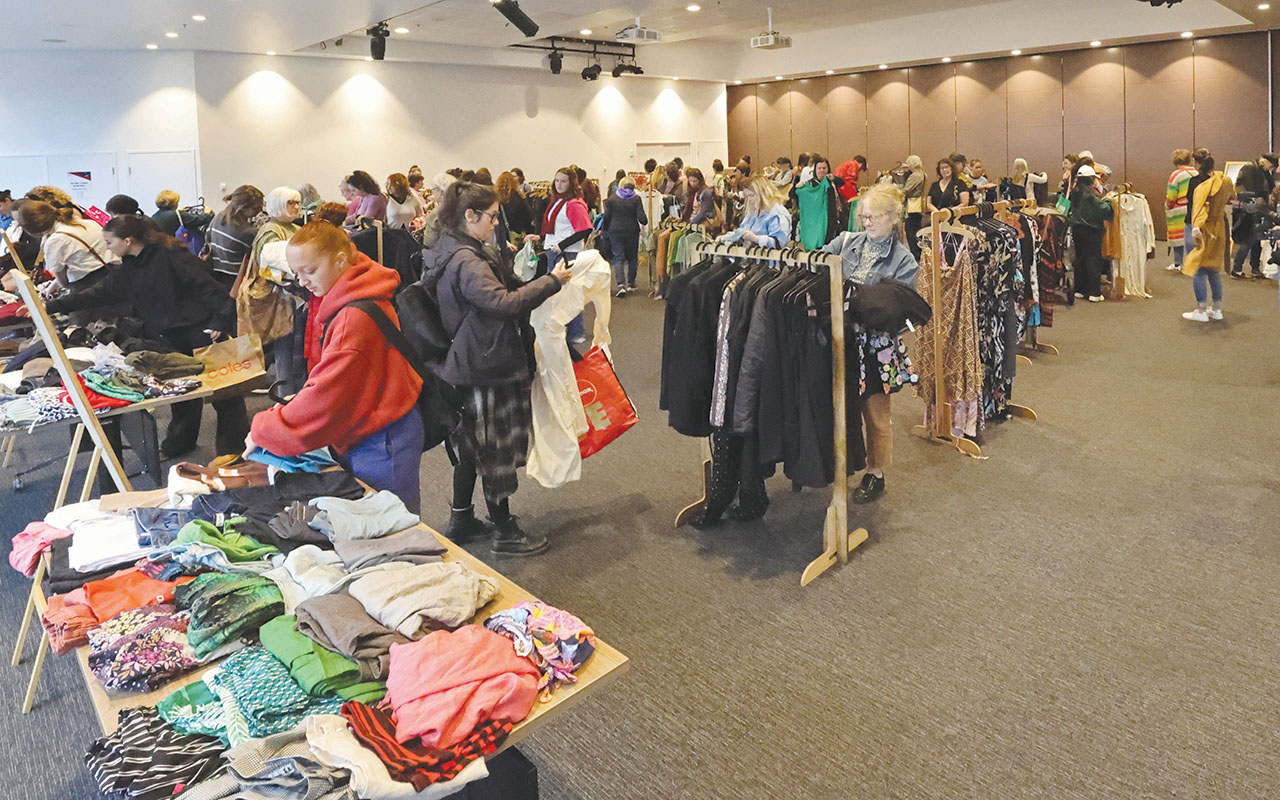
Community programs such as Roving Repair as well as Frankston Library’s new 3D printer and its Library of Things make it easier for residents to repair, reuse and share.
The Circularity Roadmap will expand these initiatives and develop community and business circularity hubs in the form of connected networks, not necessarily physical spaces, that bring together people, ideas and resources.
The roadmap covers practical actions across construction, manufacturing, food systems and everyday consumer goods.
First published in the Frankston Times – 26 May 2026